On the front, elite drone units such as Ptaki Madziara and Kraken 1654 operate small, highly skilled 2–3-person teams. Their drones, along with FPV systems, AI-assisted targeting, and electronic-warfare tools, now account for roughly 80% of battlefield losses. This has expanded combat zones into a 20–25 km “grey zone,” rather than a clearly defined front line.
Training happens in institutions like KillHouse Academy in Kyiv, where new operators learn piloting, reconnaissance, and combat drone tactics — often under constantly changing technological and battlefield conditions. Meanwhile volunteer-based networks like Social Drone coordinate thousands of civilians who build and deliver drones to units across Ukraine.
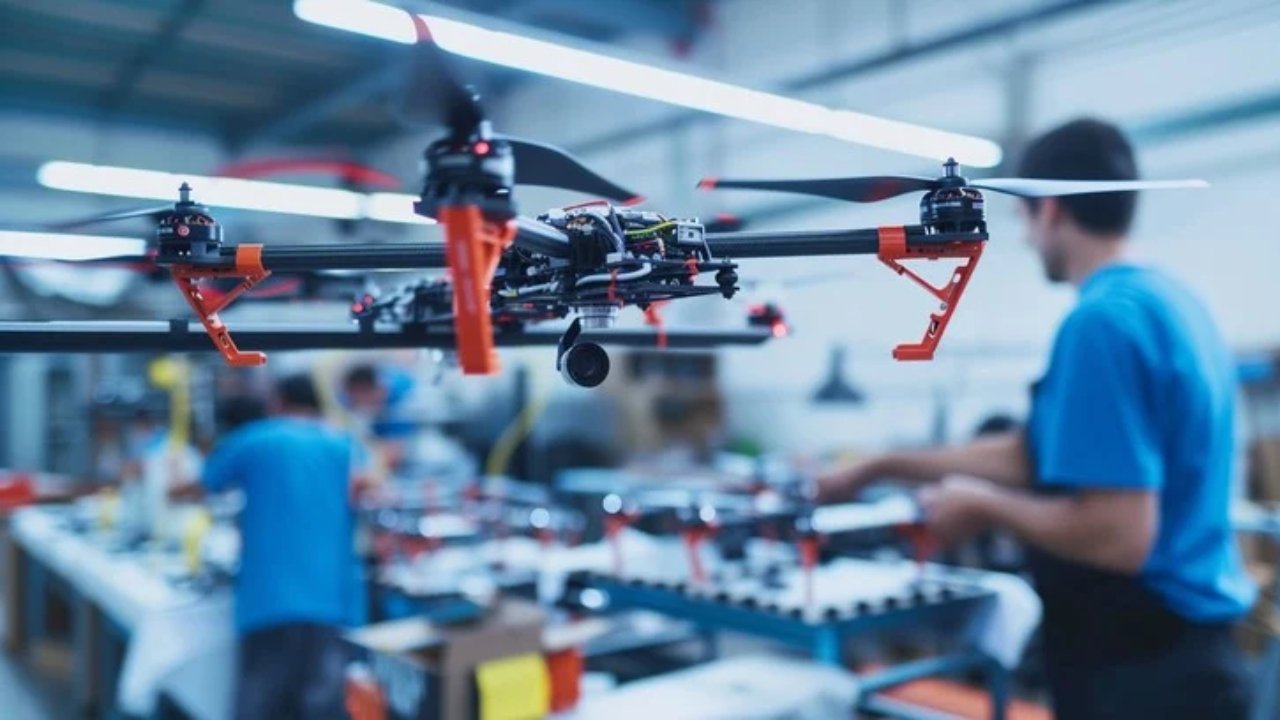
On the manufacturing side, firms such as Generał Czereśnia (General Cherry) and the start-up Swarmer assemble and improve large numbers of drones daily — from FPV reconnaissance drones to high-speed interceptors. Swarmer is experimenting with AI-controlled “drone swarms”, where a single operator can command multiple drones simultaneously.
In parallel, Ukraine supports these grassroots and private efforts with coordinated systems like Brave1, a kind of defense-tech “marketplace” where successful drone strikes are logged and rewarded.
Together, this decentralized, highly adaptable network — from volunteer workshop to elite units — constitutes perhaps the largest bottom-up wartime drone industry in Europe since World War II, enabling Ukraine to compensate for manpower shortages with technological innovation.
https://kulturaliberalna.pl/2025/11/25/wojna-dronow-w-ukrainie-reportaz/

Komentarze
Prześlij komentarz